
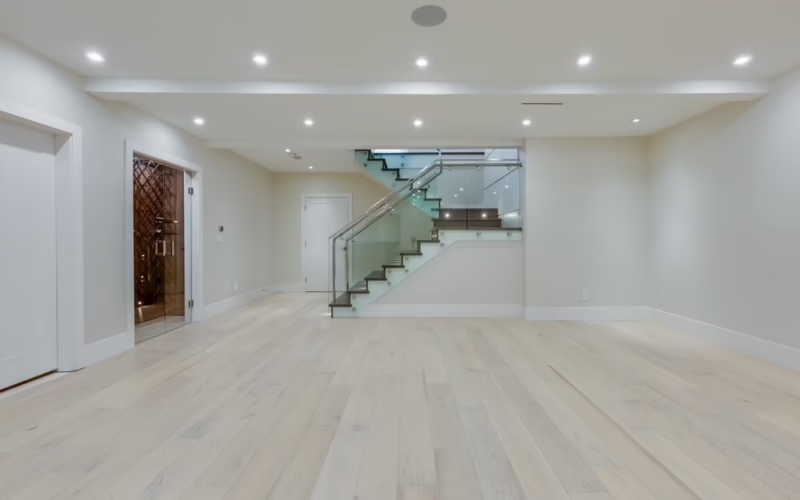
Your basement holds enormous potential. Whether you dream of creating a home theater, a finished living area, a home gym, or a workspace, the electrical system makes it all possible. But many homeowners discover that their basement’s electrical infrastructure wasn’t designed for modern use. Old basements often have minimal outlets, weak lighting, and wiring that doesn’t support today’s power demands.
Basement rewiring is a significant project, but it’s an investment that transforms an underutilized space into a functional, valuable area of your home. This guide walks you through everything you need to know about basement electrical systems, from planning to completion.
Why Basements Need Special Electrical Consideration
Basements are different from other areas of your home. They present unique electrical challenges that demand careful planning. When planning a remodel or addressing older wiring issues, many homeowners begin by scheduling electrical repairs in Lehigh County, PA. Professionals recommend making sure their basement is safe before moving into larger upgrades.
Key characteristics of basements:
- Often exposed to moisture from groundwater seepage or humidity
- May have concrete walls that make routing new wiring challenging
- Typically, they have limited existing electrical infrastructure
- Subject to temperature fluctuations
- May serve multiple purposes (storage, utilities, living space)
- Require different outlet heights and placements than other rooms
These factors mean basement rewiring isn’t a simple task. It requires proper planning, quality materials designed for basement conditions, and careful installation to meet code requirements.
Assessing Your Current Basement Electrical System
Before planning upgrades, you need to understand what you currently have.
Start by examining these aspects:
- How many outlets are in your basement?
- Where are they located?
- What condition are they in (loose, outdated, damaged)?
- How many breakers are dedicated to basement circuits?
- Is there adequate lighting?
- Are there any flickering lights or dead outlets?
- Does your basement have moisture issues?
If your basement has minimal outlets and no dedicated circuits, rewiring is definitely in your future if you plan to use the space functionally.
Next, think about your planned use. A storage area has different electrical needs than a recreation room. A home office requires different considerations than a home gym. Your planned activities determine your electrical requirements.
Load Calculations and Circuit Planning
Once you know what you’ll be doing in your basement, you need to determine your electrical load. This is the total amount of power your equipment and appliances will consume simultaneously.
Common basement uses and their typical electrical demands:
For a home office setup, you might need:
- Multiple outlets for computers and peripherals
- Lighting for work areas
- Potentially a small space heater or fan
- Backup power system
For a home gym, consider:
- Multiple outlets for exercise equipment
- Bright, consistent lighting
- Potentially HVAC adjustments for ventilation
- Air conditioning considerations
For a recreation room or home theater, plan for:
- Multiple outlet circuits throughout the space
- Specialized lighting with dimming capabilities
- Audio and visual equipment outlets
- HVAC modifications
A qualified electrician calculates your total load demand and determines how many circuits you need and what size your circuits should be. This prevents the constant breaker tripping that happens when basements are overloaded.
Basement Moisture and Electrical Safety
Moisture is the biggest threat to basement electrical systems. Wet conditions create serious safety hazards and damage wiring and equipment.
Common basement moisture sources:
- Groundwater seeping through concrete walls
- Condensation from temperature changes
- Humidity from activities in the basement
- Plumbing leaks
- Poor drainage around the foundation
Before proceeding with electrical work, address moisture problems. Have a professional assess your basement’s moisture situation. If water intrusion exists, fix it first. No amount of fancy electrical work protects you if water is constantly present.
Once moisture is controlled, use moisture-resistant materials:
- Install outlets in boxes designed for damp locations
- Use GFCI protection throughout the basement (explained in detail below)
- Choose fixtures rated for potentially damp environments
- Run proper grounding throughout your system
GFCI (Ground Fault Circuit Interrupter) outlets are absolutely critical in basements. They detect electrical faults that could cause serious injury or fire and shut off power instantly. Building codes typically require GFCI protection for all basement outlets.
Planning Your Outlet Layout
One of the biggest frustrations in finished basements is inadequate outlets. Plan your outlets carefully to avoid extension cords and overloaded circuits.
Outlet placement guidelines for basements:
- Install outlets every 6 feet along walls
- Place outlets at appropriate heights for their intended use (work surfaces, entertainment areas)
- Group outlets by function (office area, workout area, living area)
- Provide adequate outlets for larger devices that shouldn’t share circuits
- Consider floor outlets for central locations if needed
- Plan for future equipment additions
Most basements need more outlets than homeowners initially think. It’s better to install extras than to rely on extension cords, which create fire hazards and damage equipment.
Lighting Design for Finished Basements
Basement lighting is about more than just seeing. Proper lighting affects mood, productivity, and safety.
Consider different lighting layers:
- Task lighting for work areas or hobby spaces
- Ambient lighting for overall illumination
- Accent lighting, if you want to highlight features
- Emergency lighting for safety
Modern LED lighting is ideal for basements because it:
- Uses minimal power
- Generates less heat
- Lasts much longer than older technologies
- Can be dimmed for mood control
- Reduces operating costs
Many homeowners choose recessed lighting in basements because it keeps the ceiling height open and provides a clean, modern appearance. Others prefer track lighting for flexibility. Whatever you choose, work with your electrician to create proper spacing and coverage.
Bathroom and laundry areas in basements have specific lighting requirements for safety and functionality.
Dedicated Circuits for Specific Equipment
Just as commercial spaces need dedicated circuits for major equipment, basements need them for high-power devices.
Equipment that typically requires dedicated circuits:
- Hot tubs or whirlpools
- Saunas
- Air conditioning systems
- Sump pumps
- Space heaters
- Large power tools
- Home theater equipment (in some cases)
A dedicated circuit means that the piece of equipment has its own breaker and wiring running directly to it. This prevents one device from overloading a circuit that other devices share.
HVAC and Temperature Control
Many homeowners finishing basements don’t fully plan for HVAC modifications. This is a mistake that leads to uncomfortable spaces.
Basement HVAC considerations:
- Basements are typically cooler than upper floors
- Extending your heating system to basements increases the load significantly
- Air conditioning extensions may be necessary in the summer
- Humidity control is critical
- Proper ductwork routing requires coordination with electrical work
Work with both your HVAC contractor and electrician to properly coordinate these systems. Sometimes electrical modifications are needed to support expanded HVAC systems.
Running New Wiring Through Your Basement
The physical process of routing new electrical wiring through your basement depends on your ceiling type. Before closing up walls or ceilings, many homeowners pair wiring updates with lighting installation in Allentown, PA, experts recommend, since it’s the ideal time to place fixtures exactly where they’ll provide the best coverage.
If your basement has an unfinished ceiling (exposed joists):
- New wiring can be run relatively easily through and along joists
- Work can be done faster with less structural disruption
- Future modifications are easier
If your basement is finished with drywall:
- Running new wiring requires cutting into walls
- Some walls may be load-bearing, limiting placement options
- Running wiring behind finished walls is more complex
- Planning becomes even more critical before drywall goes up
Plan your wiring routes carefully. Avoid areas where pipes or plumbing might be located. Work around the HVAC ductwork. Follow code requirements for proper clearances and protection.
Permits and Inspections
Basement electrical work requires permits. Don’t skip this step.
Permits are important because they:
- Require inspections at key phases
- Verify work meets current electrical codes
- Protect you if you ever sell your home
- May be required by your homeowner’s insurance
- Create a record of work completed
Your electrician can typically handle permit applications and arrange inspections. The permit cost is usually reasonable compared to the value of properly installed electrical work.
Budget and Timeline
Basement rewiring costs vary significantly based on scope. Here are typical ranges:
For adding outlets and lighting to an existing basement structure:
- Small project (adding circuits to existing layout): 2,000 to 5,000 dollars
- Medium project (new circuits, upgraded lighting, GFCI installation): 5,000 to 12,000 dollars
- Large project (complete rewiring, HVAC support, multiple use areas): 12,000 to 25,000 dollars
Timeline typically includes:
- Planning and assessment (1-2 weeks)
- Permitting (1-2 weeks)
- Material procurement (1 week)
- Rough-in wiring (1-2 weeks, depending on scope)
- Final connections and testing (1 week)
- Inspection and approval (1-2 weeks)
The total project timeline is usually 2 to 8 weeks, depending on complexity and how quickly inspections are scheduled.
Common Basement Electrical Mistakes
Learning from others’ mistakes saves time and money:
- Ignoring moisture problems before electrical installation
- Underestimating outlet and lighting needs
- Not using GFCI protection throughout the space
- Failing to get proper permits
- Assuming the existing electrical panel has capacity for additions
- Poor planning before drywall installation makes modifications difficult
- Not coordinating with other trades (plumbing, HVAC, etc.)
- Using residential-grade materials in damp basement environments
Planning for the Future
As you plan your basement rewiring, think ahead. Consider these forward-looking questions:
- Might you add a hot tub or sauna later?
- Could you expand on the current planned use?
- Might you eventually add a full bathroom?
- Could a wine cellar or climate-controlled storage area be useful?
- Might you need backup power or dedicated circuits for future equipment?
Planning capacity for future additions costs significantly less than adding it later.
Working with Your Electrician
Start the process by scheduling a consultation with a qualified electrician who understands basement projects.
Bring to the appointment:
- Measurements of your basement
- Photos of current conditions
- Plans for how you’ll use the space
- List of equipment you’ll operate
- Budget parameters if applicable
- Timeline preferences
The electrician should ask detailed questions about your plans, moisture conditions, current electrical system capacity, and future possibilities.
Transforming Your Basement
Proper electrical planning and installation transform your basement from a storage area into a valuable, functional space. Whether you’re creating a recreation area, home office, gym, or hobby space, good electrical infrastructure makes it work effectively and safely.
The investment in professional basement rewiring pays dividends through improved home value, comfortable usable space, and the safety of proper electrical installation.
If you’re planning a basement project, GB Electric can help you plan and install an electrical system designed for your specific needs. Contact us today to discuss your basement transformation project.
