
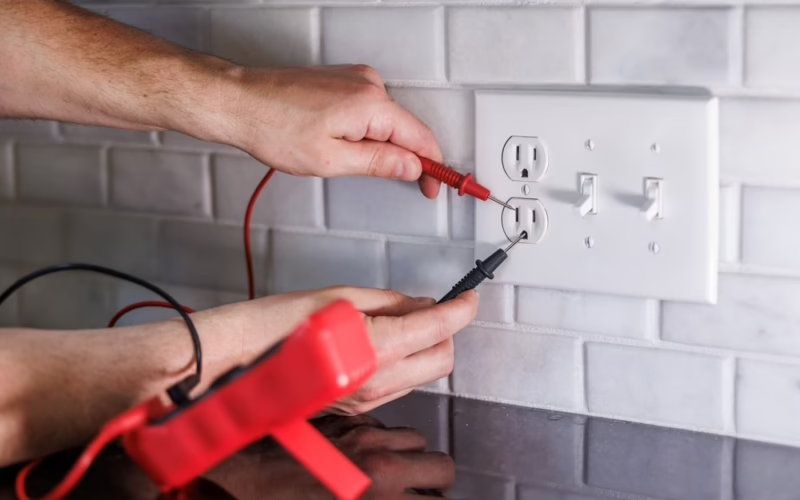
Your home relies heavily on a safe and functional residential electrical system to power daily life. Most homeowners rarely think about their wall receptacles until a device stops charging or a breaker trips. Understanding exactly how often you should upgrade your house electrical outlets helps prevent dangerous electrical fires and protects your expensive electronics.
Modern households draw significantly more power than homes built just two decades ago. Those older receptacles degrade over time from constant plugging and unplugging of heavy appliance cords, making electrical fire prevention a top priority for safety. We will explore the typical electrical receptacle lifespan and identify the exact warning signs that indicate a necessary electrical outlet replacement.
Understanding the Electrical Receptacle Lifespan
Electrical outlets do not last forever, despite what many property owners might assume. The average standard receptacle functions reliably for roughly fifteen to twenty-five years under normal usage conditions. High-traffic areas like kitchens and living rooms typically see faster hardware wear due to daily cord insertions and removals.
Inside the plastic faceplate, small metal contact points grip the prongs of your plugs to establish an electrical connection. These internal metal grips slowly stretch out and lose their tension after years of continuous friction, leading to loose electrical connections. Once this tension fades, the resulting loose connections generate dangerous heat that compromises the entire circuit. If you are noticing these issues in an older property, consulting an electrical contractor in Quakertown can help determine if a full-scale update is required.
Warning Signs That Demand Immediate Attention
You should never ignore physical changes to your wall receptacles or switch plates. Discoloration, particularly a burnt outlet with brown or black scorch marks around the slots, points directly to severe internal arcing and heat buildup. This heat damage signals faulty electrical receptacles and an active fire hazard that requires immediate intervention from a licensed professional.
- Loose Plugs: If a plug simply falls out of the wall or hangs loosely, the internal contacts have failed.
- Strange Odors: A distinct burning plastic smell means electrical current is escaping its intended path.
- Buzzing Noises: Audible sounds behind the wall plate indicate arcing or loose wiring.
- Warm Faceplates: Outlets that feel hot to the touch are overloaded or failing internally.
Warning: Never attempt to use an outlet that shows visible scorch marks or emits a buzzing sound. Turn off the power at the main breaker panel immediately and call GB Electric to prevent a potential house fire.
The Importance of Proper Electrical Grounding
Older properties built before the late 1960s often feature outdated two-prong receptacles without a dedicated ground wire. This missing ground connection means rogue electricity has nowhere safe to go if a power surge or internal fault occurs. Without this critical safety feature, the stray current can easily pass through a human body or destroy sensitive electronic devices.
Modern building codes mandate three-prong receptacles with a dedicated ground path for all new residential construction. The third prong connects directly to a grounding wire that safely channels errant electricity back to the main breaker panel. Upgrading your ungrounded two-prong hardware represents one of the most important home electrical safety improvements you can make.
Upgrading to Modern Safety Codes: GFCI and AFCI
The National Electrical Code frequently updates its safety requirements to protect residential properties from preventable disasters. Older houses often lack Ground Fault Circuit Interrupter (GFCI) protection in areas exposed to water. GFCI outlet installation in these high-risk zones prevents fatal electric shocks by cutting power instantly when a fault occurs.
Arc Fault Circuit Interrupters (AFCI) represent another major leap forward in safety. These advanced devices detect dangerous electrical arcs caused by damaged wire insulation or loose connections before they can ignite nearby materials. If you are considering a new lighting installation in Allentown, it is the perfect time to have the team at GB Electric check if your circuits meet these modern AFCI standards.
Weather-Resistant Outlets for Outdoor Spaces
Exterior electrical hardware faces brutal environmental conditions that dramatically accelerate the normal wear and tear process. Rain, snow, and direct sunlight break down plastic components much faster than indoor conditions. You should inspect your outdoor receptacles twice a year to verify that the weatherproofing seals remain completely intact.
Weather-resistant units begin showing significant signs of environmental degradation after ten to fifteen years of continuous outdoor exposure. Proactively swapping out these exterior units prevents moisture-related breaker trips and protects your outdoor power equipment from electrical damage.
Identifying Faulty Receptacles and Poor Installation
Many properties suffer from amateur electrical work completed by previous owners. You might discover outlets painted shut, which ruins the internal contacts and creates an immediate fire hazard when plugs are forced inside. Paint acts as an insulator that disrupts the flow of electricity, causing the connection points to overheat rapidly.
Another common DIY mistake involves overloading a single receptacle box with too many heavy-gauge wires. This overcrowding creates excessive heat buildup and physically crushes the wire insulation. Reverse polarity also stands out as a highly dangerous error where the hot wire is connected to the neutral terminal, leaving devices fully energized even when turned off.
How to Safely Inspect Your Electrical Outlets
Homeowners can perform basic visual and functional checks without exposing themselves to live electrical currents. This routine maintenance helps catch minor issues before they develop into expensive failures.
- Examine the Physical Condition: Look closely at the plastic faceplate for any cracks, chips, or brown scorch marks around the slots. Use a flashlight to inspect dark corners behind heavy furniture.
- Test the Contact Tension: Insert a standard plug to verify that the internal metal grips hold the cord securely. If the plug sags, the outlet has failed.
- Verify GFCI Protection: Press the “Test” button on your bathroom and kitchen units to confirm that the power shuts off instantly, then press “Reset” to restore power.
- Check for Heat: Carefully place your hand near the outlet to feel for unusual warmth while an appliance is running.
Budgeting for Professional Electrical Upgrades
Replacing a single standard receptacle generally costs very little in hardware, but labor costs represent the most significant expense. A professional can usually replace ten to fifteen standard units in a few hours, making whole-house updates relatively efficient.
Investing in professional labor through GB Electric protects your property value and provides absolute peace of mind regarding your family’s safety. Experienced electricians will spot hidden wiring issues, such as degraded insulation or improper grounding, that an amateur might miss.
Conclusion
Maintaining your home electrical system requires regular attention and a proactive approach to hardware replacement. Knowing exactly how often you should upgrade your house electrical outlets keeps your property safe from preventable fires. Standard receptacles give you about two decades of reliable service before internal wear compromises their functionality.
Upgrading to GFCI, AFCI, and USB-enabled hardware modernizes your living space while bringing your property up to current safety standards. Taking action today will protect your family and preserve the long-term value of your investment.
If you are concerned about the age or safety of your home’s receptacles, contact us today to schedule an inspection or upgrade.