
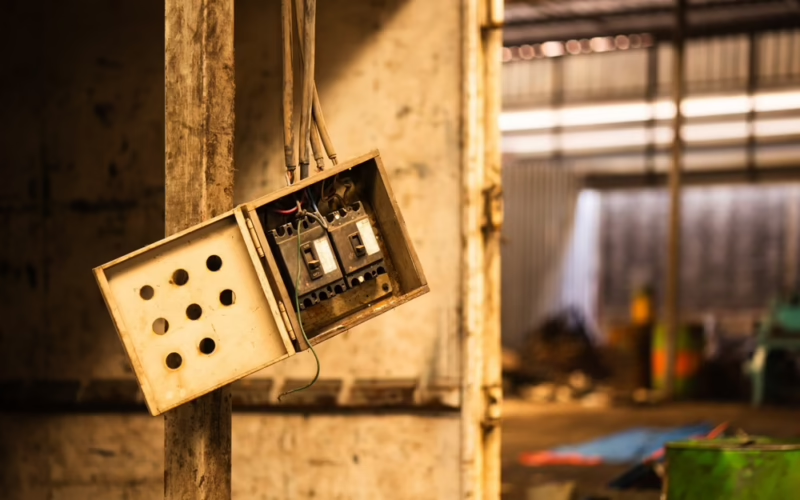
You flip the switch to illuminate your patio, but darkness remains, leading you to wonder why do my outdoor lights keep blowing a fuse. Effective outdoor lighting troubleshooting helps identify why these systems fail, as electrical problems quickly ruin the atmosphere. Many homeowners face the frustrating problem of constant power interruptions in their exterior circuits.
Resolving this issue requires a systematic approach to identify the root cause of the electrical overload, which is why partnering with the professionals at GB Electric is the safest way to find a permanent fix. Moisture, damaged wiring, and overloaded circuits represent the most frequent offenders in exterior lighting systems. By understanding these electrical faults, you can restore illumination to your outdoor living spaces.
The Role of Fuses and Breakers
Fuses and circuit breakers serve as the primary safety mechanisms for your home electrical system. These devices monitor the flow of electrical current traveling through your wires to your fixtures. When the current exceeds safe levels, the device intentionally breaks the connection to stop power flow.
An electrical short circuit occurs when a hot wire touches a neutral wire or a ground path. This sudden surge in electrical current causes the breaker to trip or the fuse to blow. The interruption protects your wiring from melting and prevents potential house fires from starting.
Most modern homes use circuit breakers instead of older glass or ceramic fuses for their panels. However, if you are dealing with an aging, outdated, or frequently failing system, scheduling an electrical panel replacement in Nazareth might be necessary to restore total home safety. For specialized setups, many low-voltage outdoor lighting transformers still rely on internal glass fuses to protect their specific circuits. You must identify whether the main house breaker or the transformer fuse is failing.
Common Outdoor Electrical Faults
Outdoor environments subject electrical components to harsh conditions that indoor fixtures never experience. Rain, extreme temperatures, and physical impacts constantly threaten the integrity of your exterior lighting circuits. Identifying the specific environmental stressor helps you permanently resolve the electrical failure.
Moisture Infiltration and Weatherproofing
Water represents the absolute worst enemy of any electrical system located in your yard. Even a single drop of condensation inside a light socket creates a direct path for an electrical short circuit. Sprinkler systems, heavy rainfall, and melting snow routinely force moisture past aging rubber gaskets and seals.
Once water enters the fixture, it bridges the gap between the positive and negative terminals, causing an immediate spike in electrical current. Inspect your fixtures for foggy glass, rust on the sockets, or visible water pooling inside the housing. Replacing compromised fixtures with waterproof alternatives often stops the fuse from blowing.
Electrical Overload
Every electrical circuit has a maximum capacity that you cannot safely exceed under any circumstances. Pushing too much power through a single line inevitably causes a circuit breaker tripping event.
| Component Type | Standard Capacity | Common Overload Trigger |
| Main Circuit Breaker | 15 to 20 Amps | Plugging heavy tools into light circuits |
| Lighting Transformer | 300 Watts | Overloading with high-wattage halogen bulbs |
| Safety Threshold | 80% of Max Load | Exceeding continuous operating limits |
Standard household circuits typically handle 15 or 20 amps of electrical current before tripping. Low-voltage systems face similar capacity issues at the transformer level rather than the main panel. Upgrading to energy-efficient LED bulb upgrades drastically reduces the total wattage demand on your existing equipment.
Damaged Wiring and Pest Interference
Buried electrical cables face constant threats from gardening activities and local wildlife populations. Shovels, aerators, and lawnmowers easily slice through shallow wires that lack proper conduit protection. A severed cable creates an immediate short circuit the second you turn the power on.
Rodents like squirrels, mice, and chipmunks frequently chew through the plastic insulation covering your wires. Exposed copper wiring eventually touches wet soil or metal stakes, resulting in an instant electrical failure. Finding a break in an underground wire requires patience and a systematic visual inspection of the yard.
Diagnosing Your System Step-by-Step
Troubleshooting electrical problems requires a methodical process of elimination to isolate the defective component. A logical testing sequence saves you hours of frustrating work and prevents unnecessary equipment replacements.
Before starting any diagnostic work, verify that the power is completely turned off at the panel. Safety glasses and insulated tools provide essential protection against accidental shocks during your inspection. If you feel uncomfortable working with electricity, immediately hire a qualified professional.
- Isolate the Transformer: Disconnect all exterior wires from the transformer and turn it on. If it still blows the fuse, the transformer itself is defective.
- Inspect Individual Fixtures: Reconnect the main wire but remove all the bulbs from your outdoor fixtures. Check each empty socket for signs of water, debris, or insect nests.
- Perform a Half-Splitting Test: Disconnect the wire halfway down the yard to see if the short is in the first or second half. Continue dividing the line to pinpoint the exact location of the fault.
Fixing a Blown Fuse in Your Lighting System
Low-voltage lighting relies on a low-voltage transformer to convert 120-volt household current down to a safer 12 volts. Inside the transformer, a small glass cartridge fuse protects the internal coils from overheating. When a short occurs in the yard, this tiny fuse sacrifices itself to save the expensive transformer.
You must replace a blown cartridge with one that matches the exact amperage rating specified by the manufacturer. Installing a larger fuse than recommended creates a severe fire hazard and destroys your equipment.
Once you identify and fix the immediate short circuit, you should implement preventative measures. Proactive exterior lighting maintenance stops moisture and physical damage from causing future electrical interruptions in your yard. Upgrading all your incandescent and halogen bulbs to LED technology solves most overloading issues instantly by lowering power draw.
Prioritizing Electrical Safety: When to Call a Professional
A 120-volt exterior circuit carries enough electrical current to cause severe injury or fatal electrocution. You must recognize your own limitations and prioritize safety above saving money on repairs.
If your main electrical panel breaker continuously trips, you have a serious wiring fault. A breaker that feels hot to the touch or emits a burning smell indicates a dangerous situation. These warning signs require immediate investigation by an experienced professional team like GB Electric.
Local building codes heavily govern outdoor wiring installations in your specific area. If you need a certified outdoor lighting electrician in Allentown, GB Electric can properly calculate load requirements, install dedicated circuits, and verify the integrity of your grounding system. Bringing in the specialists at GB Electric guarantees that your outdoor living spaces remain safe for your family and guests.
Restoring Power to Your Patio
Dealing with an exterior lighting system that repeatedly loses power frustrates any homeowner trying to enjoy their yard. However, this electrical failure serves as a vital warning sign that something is fundamentally wrong with the circuit. Resolving the underlying fault protects your property and restores the functionality of your exterior design.
Most outdoor lighting problems originate from moisture damage, overloaded circuits, or physically compromised underground wiring. Simple upgrades like LED bulbs and proper weatherproofing often provide permanent solutions to these common failures.
Electrical safety must always remain your primary focus during any troubleshooting or repair process. If you want an expert team to inspect your exterior wiring or set up an assessment for your home, contact us today.
