
Every homeowner faces the same problem. A lightning strike hits nearby. Your power flickers. When it comes back on, your expensive electronics are fried. Your computer won’t turn on. Your television is dead. Your refrigerator needs replacement. The damage costs thousands of dollars.
Surge protection helps prevent this disaster. But many homeowners don’t understand the different types of surge protection available. Some use power strips with surge protection. Others have whole-home systems. Many homeowners use both. So which one actually works? Which type protects your electronics best? This guide explains everything you need to know.
What Is a Power Surge?
Before we talk about protection, you need to understand what you’re protecting against.
A power surge is a sudden spike in electrical voltage. Normal household voltage is 120 volts. A power surge sends much more electricity through your wires in a fraction of a second. This excess energy damages electronics by frying circuits and components.
Power surges happen for several reasons:
- Lightning strikes near your home or power lines
- Utility company power line problems or accidents
- Tripped circuit breakers
- Large appliances start up suddenly
- Damaged power transformers
- Downed power lines after storms
Some surges are tiny and cause no visible damage. Others are massive and destroy everything plugged in. The destructive surges are the ones you need to protect against.
What Is Point-of-Use Surge Protection?
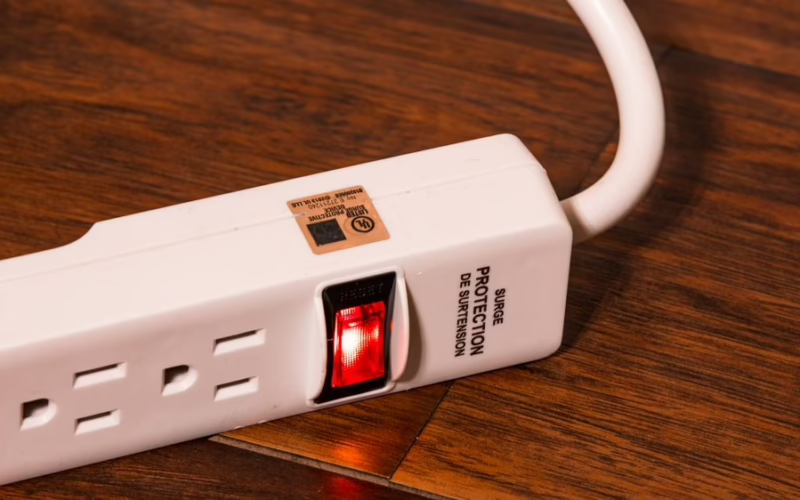
Point-of-use surge protection means protecting individual devices where they plug in. The most common type is a power strip with surge protection built in.
A surge protection power strip looks like a normal power strip. But inside, it contains special circuitry that detects power surges. When voltage spikes above safe levels, the surge protector diverts the excess energy to the ground. This protects devices plugged into that strip.
What Is Whole-Home Surge Protection?
Whole-home surge protection is different from point-of-use protection. It protects your entire electrical system at the main electrical panel.
A whole-home surge protector connects to your main electrical panel. It’s usually installed by a licensed electrician. When power surges occur, it diverts excess electricity to the ground before it reaches your home’s wiring and devices.
How Whole-Home Protection Works
Like point-of-use protectors, whole-home systems use MOVs or other suppression technology. The difference is location and scope. Instead of protecting individual outlets, it protects all outlets in your entire home simultaneously.
When a surge enters your home at the main service panel, the whole-home protector stops it there. The excess energy never reaches your walls, wiring, or any devices. Everything connected to your electrical system is protected at once.
Installation and Cost
An emergency electrician in Schnecksville and the surrounding areas must install a whole-home surge protector. Installation typically costs 300 to 500 dollars for labor and the device. The device itself costs 200 to 400 dollars.
The installation connects to your main electrical panel. In some homes, this is difficult or requires expensive modifications. In new homes or recently updated panels, installation is straightforward.
Whole-home protection requires a separate breaker space. If your panel is full, you might need to upgrade it. This adds cost but ensures proper protection.
Whole-Home Surge Protection: Advantages and Disadvantages
Whole-home surge protection is more expensive upfront. But it offers broader protection with fewer limitations.
Advantages of Whole-Home Protection
The biggest advantage is comprehensive protection for your entire home. Every outlet, every appliance, every electrical device gets protected. Your refrigerator, water heater, HVAC system, and permanently installed appliances are all protected.
Whole-home protection stops surges at the main panel before they enter your electrical system. This protects your home’s wiring, which is expensive to repair or replace. It prevents fires caused by damaged wiring. It eliminates secondary risks from surges reaching your walls.
Once installed, whole-home protection requires no maintenance or thought. You don’t plug anything in or move anything around. Protection is automatic and always active.
Whole-home protectors last much longer than point-of-use protectors. Many last 10 to 20 years. Some last the life of your home. When they do wear out, replacement is usually straightforward.
Whole-home protection works against surges from all sources. Lightning, utility problems, and internal surges are all stopped at the main panel.
Insurance companies often offer discounts on homeowners’ insurance for homes with whole-home surge protection. The discount can offset installation costs over time.
Disadvantages of Whole-Home Protection
The biggest disadvantage is the upfront cost. Installation costs 500 to 900 dollars. For homes with complicated electrical systems, costs can exceed 1,500 dollars.
Installation requires a licensed electrician. Scheduling, coordination, and the installation itself take time and create disruption. Your electrical panel might need modifications.
In some cases, whole-home protection is impossible. Older homes with small or full electrical panels might not have space for a whole-home protector. Upgrading the panel to make room costs an additional thousand dollars.
Whole-home protection alone doesn’t protect everything perfectly. Very sensitive electronics like computers and entertainment systems benefit from additional point-of-use protection. A surge hitting multiple outlets simultaneously might exceed a whole-home protector’s capacity if it’s undersized.
Point-of-Use vs. Whole-Home: Direct Comparison
Both types of protection have value. The question is which one actually saves your electronics.
The honest answer is that the best protection uses both. Here’s why:
A whole-home protector stops large surges at your main panel. It protects your home’s electrical infrastructure and most devices. But it can’t protect against everything. Some electricity still reaches individual outlets. Very sensitive devices need extra protection.
Point-of-use protectors then provide a second layer of defense for your most valuable or sensitive electronics. This two-level approach catches surges that slip past the whole-home protector.
Think of it like home security. Whole-home protection is like a locked front door. Point-of-use protection is like locks on individual bedroom doors. The front door stops most intruders. But valuable items in bedrooms get extra protection from interior locks.
Which Should You Get First?
If you have to choose one, choose whole-home protection first. Here’s why:
Your home’s wiring and permanently installed appliances are the most expensive to repair or replace. A whole-home protector protects these automatically. It requires no thought or maintenance.
Whole-home protection costs hundreds of dollars upfront. But it protects thousands or tens of thousands of dollars worth of electrical infrastructure and appliances. The return on investment is excellent.
Point-of-use protectors are cheaper upfront. But they only protect individual devices. They do nothing for your home’s wiring, water heater, HVAC system, or other permanent fixtures. If a surge damages these, repairs cost thousands.
Start with whole-home protection if possible. Then add point-of-use protectors for your most valuable electronics.
Which Electronics Need Protection?
Not everything needs a surge protector. Some devices are more vulnerable to surge damage than others.
Sensitive electronics that should always be protected:
- Computers and laptops
- Television and entertainment systems
- Network equipment like modems and routers
- Phone chargers and USB hubs
- Game consoles
- Printers
- Microwaves and modern appliances with electronics
Less critical devices that might not need protection:
- Traditional lamps and lights
- Coffee makers without computers
- Regular electric fans
- Toasters
- Older appliances without digital components
The general rule is that anything with a computer chip, digital display, or sensitive electronics should be protected. Everything else is usually fine.
Choosing the Right Protection for Your Home
Deciding between point-of-use and whole-home protection depends on your situation.
Best for Whole-Home Protection
You should prioritize whole-home protection if:
- Your home has valuable appliances and electronics
- You’ve experienced surges or lightning strikes before
- Your home is in an area with frequent storms
- Your electrical panel has space available
- Your budget allows for installation costs
- You want to protect your entire home’s infrastructure
Best for Point-of-Use Protection
Point-of-use protection makes sense if:
- You have a very limited budget
- Your electrical panel is full or old
- You only want to protect specific valuable devices
- You’re renting and can’t modify the electrical system
- You want immediate protection without waiting for installation
Best Solution: Use Both
Any electrician in Trexlertown and elsewhere, the ideal approach is installing whole-home protection and using quality surge protector power strips for valuable electronics. This provides:
- Protection for your entire home and all permanently installed devices
- Extra protection for your most valuable electronics
- Complete protection against nearly all surge scenarios
- Peace of mind knowing you’re covered
How to Choose Quality Surge Protectors
If you’re buying point-of-use protectors, quality matters significantly.
Look for these features:
- UL certification (UL 1449 is the standard)
- Joule rating of at least 1,000 joules
- Response time under 1 nanosecond
- Multiple outlets (at least four)
- Indicator lights showing protection status
- Warranty of at least three years
Cheap power strips might look like surge protectors, but offer no real protection. The name “surge protector” isn’t regulated. Anyone can call anything a surge protector, even if it provides no protection.
Quality surge protectors cost 25 to 50 dollars. They’re worth the investment. A cheap protector that fails to protect is worthless.
Maintenance and Replacement
Surge protectors need attention to work properly.
Point-of-Use Protector Care
Replace surge protector power strips every three to five years. They degrade over time. After absorbing several surges, they lose effectiveness.
Look for warning signs that a protector is failing:
- Burning smell or visible damage
- Devices are still getting fried despite protection
- The protector is not responding to electrical problems
- Age over five years
When you see these signs, replace the protector immediately.
Whole-Home Protector Care
Most whole-home protectors need minimal maintenance. Have a licensed electrician check it annually. They can verify it’s functioning properly and hasn’t been damaged.
If your home experiences a major surge from a lightning strike, call an electrician. The protector might have absorbed the surge and needs replacement. Waiting might leave you unprotected.
Conclusion
Power surges damage thousands of homes every year. They destroy expensive electronics and harm electrical infrastructure. But surge protection is affordable and effective.
The best approach uses both whole-home and point-of-use protection. A whole-home surge protector installed at your main electrical panel protects your entire home automatically. Quality surge protector power strips protect your most valuable individual devices.
This two-layer approach saves your electronics from nearly all surge scenarios. It protects both expensive devices and your home’s electrical infrastructure.
Don’t wait for a surge to damage your home. Invest in surge protection today by getting in touch with the professionals at GB Electric. Buy quality surge protector power strips for valuable electronics. Your electronics and your home are worth protecting. The question isn’t whether you can afford surge protection. The question is whether you can afford not to have it.
