
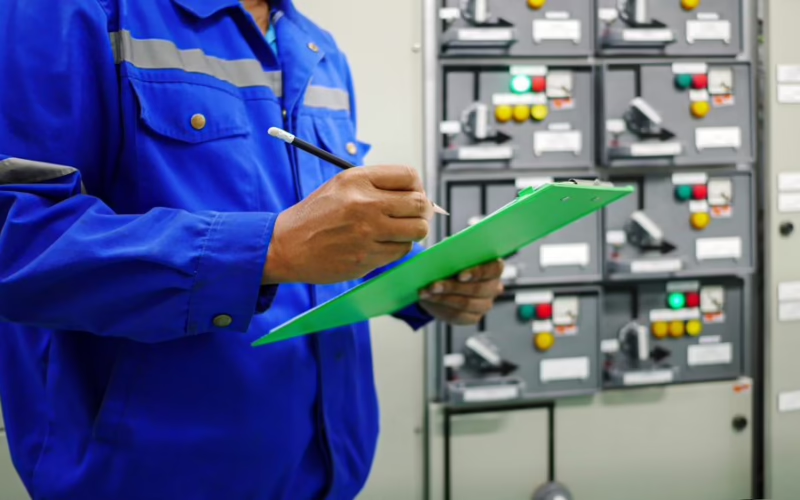
Nobody likes surprises when they’re trying to sell their house. You’ve cleaned everything, made repairs, staged rooms, and then the inspector shows up with a clipboard and starts finding problems you didn’t know existed.
Code inspections feel intimidating because most people don’t know what inspectors are actually looking for. You imagine someone running white gloves over your baseboards or testing every light switch in the house.
The reality is different. Let me walk you through exactly what happens during a typical code inspection so you can prepare properly and avoid last-minute panic.
What Is a Code Inspection?
A code inspection checks whether your home meets the building codes that were in place when it was built or when work was permitted. Inspectors look for safety issues and code violations that could affect the sale.
This is different from a general home inspection. Home inspectors look at everything and report on the condition. Code inspectors focus specifically on whether work was done legally and safely according to code requirements.
You might face a code inspection when:
- Selling your home in some municipalities
- After completing permitted renovation work
- When converting a property use (like turning a single-family home into a duplex)
- If a buyer requests verification of permitted work
- When unpermitted work is discovered during a sale
Not every home sale requires a code inspection. It depends on your location and whether there are any questions about permitted work. But knowing what to expect helps you prepare if you do need one.
Before the Inspector Arrives
Preparation makes the inspection go smoother. Here’s what you should do in the days before your scheduled inspection.
Gather Your Documentation
Find all permits for work done on your home. This includes:
- Building permits for additions or structural changes
- Electrical permits for panel upgrades or major wiring work
- Plumbing permits for bathroom additions or main line work
- Mechanical permits for HVAC installation or replacement
- Permits for deck or porch construction
If you had work done by electrical contractors in Northampton or the surrounding areas, find their license numbers and completion certificates. These documents prove the work was done by qualified professionals.
Many municipalities keep permit records online. If you don’t have paper copies, check your city or county building department website. You can often find and print historical permits for your address.
Make Everything Accessible
Inspectors need to see the actual work, not just the finished surfaces. This means:
- Clearing items from the attic access
- Moving boxes away from the electrical panel
- Providing access to crawl spaces
- Removing any furniture blocking the mechanical equipment
- Unlocking gates to backyard structures
If you have a finished basement with ceiling tiles or wall panels, the inspector might ask to remove some to view the framing or systems behind them. Make sure you have the tools available or be prepared to do this yourself.
Test Your Systems
Before the inspector arrives, test everything yourself:
- Flip every breaker in your electrical panel to make sure nothing trips
- Run all faucets and flush all toilets
- Turn on your heating and cooling system
- Test GFCI outlets in bathrooms and kitchens
- Check that all smoke and carbon monoxide detectors work
- Verify garage door safety sensors
Finding problems yourself gives you time to fix them before the official inspection.
Clean and Light Your Spaces
Inspectors need to see clearly in attics, basements, and crawl spaces. Replace any burnt-out bulbs in these areas. Sweep away cobwebs and debris so the inspector can move around safely.
This isn’t about making things pretty. It’s about making the inspection efficient so the inspector can focus on actual code issues rather than struggling to see in dark, cluttered spaces.
The Exterior Inspection
Most inspectors start outside. Here’s what they’re checking and why it matters.
Foundation and Grading
The inspector looks at your foundation for cracks, settling, or water damage. They check that the ground slopes away from your house to prevent water from pooling against the foundation.
Code requires proper drainage to protect the structure. If water sits against your foundation, it can cause serious problems over time.
Decks, Porches, and Stairs
These are high-priority items because they present fall risks. The inspector checks:
- Railing height (usually 36 inches minimum)
- Spacing between balusters (typically 4 inches maximum)
- Stair rise and run consistency
- Handrail presence on stairs with more than three risers
- Ledger board attachment to the house
- Post footings below the frost line
Many older decks don’t meet current codes because requirements have changed. If your deck is grandfathered in, make sure you have documentation showing when it was built.
Electrical Outlets and Fixtures
Outdoor electrical outlets need GFCI protection. The inspector tests these to verify they trip properly. They also check that exterior fixtures are rated for outdoor use and properly sealed against the weather.
Any exposed wiring or junction boxes without covers will be flagged. These present shock and fire hazards.
Windows and Doors
The inspector checks that windows open and close properly. Bedroom windows need to meet egress requirements, which means they must be large enough for someone to escape through in an emergency.
Doors need proper weatherstripping and thresholds. The inspector also verifies that locks work and that exterior doors are solid core or metal for security and fire resistance.
The Interior Inspection
Once inside, the inspector or electrician in Trexlertown will follow a systematic approach through your home.
Electrical System
This is often where problems show up, especially in older homes. The inspector examines:
- Main panel size and condition
- Proper wire sizing for circuits
- GFCI protection in bathrooms, kitchens, and wet areas
- AFCI protection in bedrooms (if required by the applicable code)
- Grounding of outlets and fixtures
- No aluminum wiring or knob-and-tube wiring is still in use
- Proper junction box covers on all electrical boxes
If you’ve had electrical work done without a permit, it will likely be discovered here. The inspector might ask you to open walls to verify proper wiring methods were used.
Plumbing
The inspector runs water and checks for leaks. They look at:
- Proper venting of drains
- Correct trap installation under sinks
- Water heater temperature and pressure relief valve
- Shut-off valves at fixtures
- Cross-connection prevention
- Proper pipe materials and connections
In older homes, they check whether old plumbing has been replaced or if it’s still functional and code-compliant.
HVAC System
The inspector verifies that your heating and cooling systems are properly installed and vented. They check:
- Adequate combustion air supply for gas furnaces
- Proper venting to prevent carbon monoxide buildup
- Furnace and AC filters are accessible for changes
- Ductwork is sealed and insulated where required
- The thermostat functions correctly
If you’ve replaced your system recently, they want to see the permit and inspection record from that work.
Smoke and Carbon Monoxide Detectors
Most codes now require smoke detectors in every bedroom, outside sleeping areas, and on every level of the home. Carbon monoxide detectors are required near sleeping areas if you have fuel-burning appliances or an attached garage.
The inspector tests these to verify they work. They also check that detectors are properly located and not expired. Most detectors have a 10-year lifespan.
Staircases and Railings
Interior stairs face the same requirements as exterior ones. The inspector measures railing height, baluster spacing, and stair dimensions.
Open sides of stairs must have railings. Handrails must be graspable and mounted at the proper height.
Rooms and Living Spaces
The inspector checks that rooms have proper ventilation and natural light. Bedrooms need windows for egress. Bathrooms need either a window or exhaust fan.
They look for proper headroom in stairways and basements. Most codes require at least 6 feet 8 inches of clearance.
Fireplaces and Chimneys
If you have a fireplace, the inspector checks for proper clearances from combustible materials. They verify that chimneys are in good condition and properly flashed where they penetrate the roof.
Gas fireplaces need to vent correctly. Wood-burning fireplaces need proper dampers and spark arrestors on the chimney cap.
Attic Inspection
Attics reveal a lot about how your home was built and maintained.
Insulation
The inspector checks that you have adequate insulation for your climate zone. They look for gaps or compressed areas that reduce effectiveness.
They also verify that insulation doesn’t block ventilation or create fire hazards around heat sources.
Ventilation
Proper attic ventilation prevents moisture buildup and extends roof life. The inspector looks for:
- Adequate intake vents at soffits or eaves
- Exhaust vents at the ridge or gables
- No blocked vents from insulation
- Proper spacing and airflow
Without good ventilation, you can get mold, wood rot, and ice dams in winter.
Structural Framing
The inspector examines roof framing for damage, sagging, or improper modifications. They look for:
- Cut or notched rafters or trusses
- Signs of roof leaks or water damage
- Proper blocking and bracing
- Adequate support for the roof load
If you’ve had dormer additions or skylight installations, they verify these were framed correctly and don’t compromise structural integrity.
Wiring and Junctions
Attics often have junction boxes for electrical work. These must be accessible and properly covered. The inspector checks that wiring is secured and protected from damage.
Basement and Crawl Space Inspection
Below-grade areas are critical for foundation health and system access.
Foundation Walls
The inspector looks for cracks, water stains, or signs of movement. They check that foundation walls are structurally sound and not deteriorating.
Any repairs to foundations need to be documented and often require engineering approval.
Floor Joists and Supports
The inspector examines floor framing for sagging, damage, or improper modifications. They verify that load-bearing beams have adequate support posts and footings.
Notching or drilling through joists weakens them. The inspector checks that any holes or notches follow code guidelines for size and location.
Moisture and Drainage
Basements and crawl spaces must be dry. The inspector looks for:
- Standing water or signs of past flooding
- Proper sump pump installation and operation
- Vapor barriers in crawl spaces
- Adequate drainage around the perimeter
Moisture problems can indicate larger issues with grading, gutters, or foundation waterproofing.
Utilities
Many mechanical systems live in basements. The inspector checks:
- Water heater installation and venting
- Electrical panel accessibility (36 inches of clear space required)
- Proper gas line installation and shut-offs
- Sewer line access and condition
What Happens If Problems Are Found
Finding code violations doesn’t automatically kill your sale. But you need to know your options.
Minor Violations
Small issues like missing outlet covers, broken GFCI outlets, or absent smoke detectors are easy fixes. You can usually correct these within a few days and request a re-inspection.
Many inspectors will give you a list of minor items that need attention before they sign off.
Major Violations
Serious problems like unpermitted additions, unsafe electrical work, or structural issues require more extensive fixes. You have several options:
- Complete the required repairs before closing
- Negotiate a price reduction with the buyer
- Offer a credit at closing for the buyer to fix issues
- Pull the required permits and have the work inspected properly
Your choice depends on your timeline, budget, and the buyer’s willingness to work with you.
Unpermitted Work
This is the most complicated situation. If you’ve had major work done without permits, you might need to:
- Apply for permits retroactively
- Open walls or ceilings to allow inspection of hidden work
- Hire licensed contractors to certify that the work was done properly
- Complete additional work to bring everything up to code
This process can take weeks or months. Some sellers choose to disclose unpermitted work upfront and price the home accordingly rather than going through the permitting process.
After the Inspection
Once the inspector completes their work, you’ll receive a report listing any deficiencies or code violations.
Review the Report Carefully
Read through every item on the inspection report. Some issues might seem unclear or overly technical. Don’t hesitate to ask the inspector or a contractor to explain anything you don’t understand.
Some items might be recommendations rather than requirements. Focus on actual code violations first.
Prioritize Repairs
Address safety issues immediately. Problems with electrical systems, gas lines, or structural elements should be fixed by licensed professionals.
Create a timeline for completing repairs based on what’s required for the sale to proceed.
Schedule Re-Inspection
After making repairs, contact the inspector or building department to schedule a re-inspection. Don’t assume your fixes are adequate without verification.
Bring receipts and documentation for any work completed by contractors. This proves the repairs were done properly.
Keep Records
Save all inspection reports, repair receipts, and final approval documents. Future buyers will want to see this history, and having complete records protects you from future liability claims.
Final Thoughts
Code inspections exist to verify safety and proper construction practices. While they can feel stressful, they actually protect both buyers and sellers by identifying problems before they cause harm. The key to a smooth inspection is preparation. Know what’s coming, fix obvious problems beforehand, and have documentation ready. Most issues that inspectors find are fixable without major expense or delay.
If you’ve done unpermitted work or suspect there might be code violations, address these before listing your home. Finding out during a sale adds stress and can jeopardize your closing timeline. Work with your inspector rather than treating them as an adversary. They’re doing their job to keep people safe. When you approach the process with transparency and a willingness to make necessary corrections, inspections become just another step in the selling process rather than a source of anxiety.
If you want to make sure your home or business is up to code, you need to consult the team at GB Electric, as we can perform a thorough sweep of where you stand before you face an inspection. Put the anxiety of a forthcoming inspection to rest with the help of the pros.
